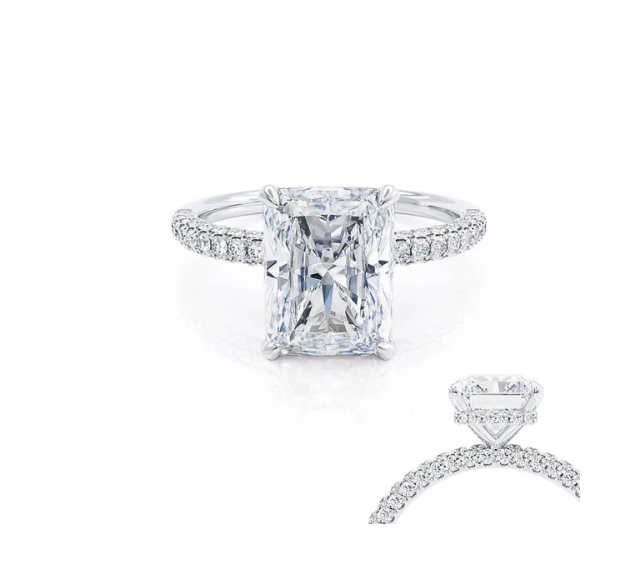

Artistic experimentation has long acted as a powerful catalyst for evolution across creative fields, and its influence on modern design is more evident than ever. From fashion houses to architectural studios to contemporary jewelry brands like lily arkwright, experimentation has become a driving force behind innovation. As designers push the boundaries of form, material, and technique, they reshape not only visual aesthetics but also the way people interact with the world around them.
Modern design thrives on the willingness to explore unconventional ideas. In earlier eras, design often followed strict stylistic rules or responded primarily to functional needs. Today, experimentation encourages creators to merge disciplines, rethink traditional practices, and embrace emerging technologies. This approach results in designs that are expressive, adaptable, and deeply connected to cultural and technological shifts. Whether in digital interfaces or product packaging, the visual language of modern design now reflects a fusion of artistic curiosity and practical intent.
One of the most significant impacts of artistic experimentation is the rise of hybrid styles. Designers blend influences from fine art, minimalism, street culture, and even scientific visualization to develop new creative vocabularies. This hybridization creates layers of meaning within a single piece, allowing it to resonate with diverse audiences. A piece of furniture may reflect sculptural qualities, while a building façade may feature patterns inspired by abstract painting. These cross-disciplinary explorations enrich modern design, making it more dynamic and emotionally engaging.
Material exploration is another area transformed by experimentation. Designers test unconventional materials, sustainable alternatives, and digitally fabricated elements to achieve results once considered impossible. Biodegradable plastics, recycled metals, plant-based fibers, and algorithmically generated patterns demonstrate how traditional craftsmanship meets technological innovation. The fusion of these materials and techniques leads to designs that are not only visually striking but also mindful of environmental and ethical considerations.
Technological advancement plays an important role in supporting experimental ideas. Three-dimensional modeling, virtual reality environments, and advanced manufacturing tools give designers the freedom to prototype faster and more accurately. This increases their capacity to take risks, iterate, and refine complex concepts. As a result, modern consumers encounter products and spaces that feel both futuristic and intuitive. From interactive exhibition layouts to adaptive lighting systems, many contemporary design solutions originate from experimental thinking enabled by digital tools.
Artistic experimentation also reshapes user experience. Designers are no longer satisfied with simply producing attractive visuals. They aim to evoke emotion, encourage exploration, and create memorable interactions. The influence of art helps them explore themes such as fluidity, contrast, and rhythm, which translate into more engaging visual communication and spatial design. In branding and advertising, for instance, experimentation leads to bold typography, unconventional layouts, and expressive color combinations that capture attention and convey personality.
Furthermore, experimentation fosters cultural dialogue. By challenging conventions, designers reflect societal changes and inspire conversations around identity, sustainability, and technological dependency. Their work becomes a platform for expressing ideas and questioning norms. This cultural relevance strengthens the role of design as both a functional practice and a form of visual storytelling.
Ultimately, the impact of artistic experimentation on modern design is profound. It encourages creators to stretch their imaginations, explore unconventional methods, and embrace continuous evolution. This fearless approach results in designs that are imaginative, responsible, and closely aligned with the changing needs of contemporary life. As experimentation continues to shape creative processes, modern design will remain an ever-expanding field defined by innovation, curiosity, and a deep connection to artistic expression.