Water damage restoration is the process of cleaning, drying, repairing, and restoring a property after it has been affected by water. There can be many reasons for water damage such as flooding, leaking pipes, roof leaks, overflowing appliances, or heavy rain. If water damage is not treated properly and quickly, it can lead to serious problems like mold growth, bad odors, and damage to walls, floors, and furniture.
Following are the steps involved in water damage restoration.
Inspection of the Affected Area
The first step in water damage restoration is inspecting the affected area. In this step, professionals carefully inspect the area and check how much water has entered the property and the damage it caused. They look at floors, walls, ceilings, furniture, and belongings.
This inspection helps them make an estimate on how much an area has been damaged. Proper assessment is important because water can sometimes hide behind walls or under floors. If hidden damage is missed, it can cause future problems even after repairs are done.
Water Removal
After the inspection is completed, the next step is removing the standing water. Any water left inside the property must be removed as quickly as possible as it can damage the house and cause health problems as well. Standing water can weaken structures and damage material.
Quick water removal is important to stop water from spreading to other areas of the property, because the longer water stays, the more damage it can cause. Early water removal can save the interior of the home from severe damage.
Drying and Dehumidifying
Drying is another crucial step after the water is removed. This process finds and dries up all the visible and hidden wet areas. Even when visible water is gone, moisture can still remain inside walls, floors, and furniture. This step ensures no spot is left wet to cause a health problem.
Dehumidifying the area also reduces dampness in the air, which speeds up the drying process. Proper drying plays a great role in water damage restoration. If moisture is not fully removed, it can lead to mold growth, smells, and long-term damage to the building.
Cleaning and Sanitizing
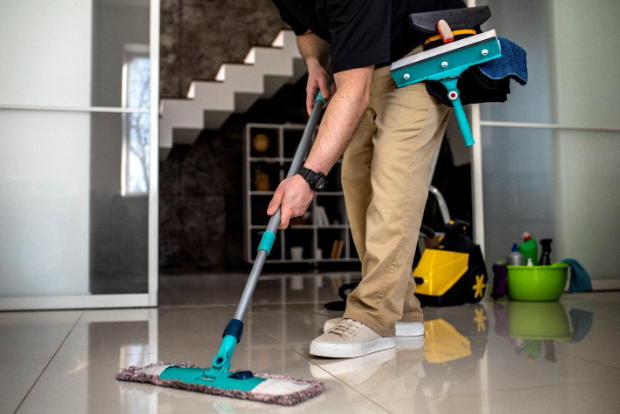
Water damage can leave dirt, stains and unpleasant smell. Cleaning and sanitizing are the steps that treat these problems. Furniture, carpets, and other items are cleaned properly to ensure cleanliness. Sanitizing makes the environment safe and healthy.
This step helps to improve indoor air quality and remove bacteria or germs that may have entered with the water. Cleaning helps restore the original appearance of the property and makes it safe to use again.
Repair and Restoration
The repair and restoration step focuses on fixing any damage caused by the water. This may include repairing walls, replacing damaged flooring, repainting surfaces, or restoring furniture to give your home its natural appearance back.
In some cases, minor repairs are enough, while in other cases, more extensive restoration may be needed. Proper restoration is important to make sure your property is safe, comfortable, and fully functional again.